We left Coimbatore before the year had properly woken up. It was still the soft grey of 1 January 2026 when we started west, crossing into Kerala with that familiar, quiet excitement that only birders understand. Thattekad was the destination, and there is something deeply grounding about beginning a new year in a forest.
By nightfall, Thattekad had completely shifted its character. The forest after dark is not silent; it listens back. Our night birding began under a humid sky, and the first presence to emerge from the darkness was a Mottled Wood Owl, solid and unhurried, watching quietly from its perch.
Soon after, we encountered Jerdon’s Nightjar, perched low on a small bush trunk, perfectly still and almost invisible until our torchlight caught its outline. Its cryptic plumage blended seamlessly with the bark, a reminder of how much the forest reveals only to patience.
The night grew richer. A Brown Hawk Owl announced itself next, alert and expressive, followed by the smaller and more reserved Oriental Scops Owl, melting into the shadows as soon as it revealed itself. But the night truly belonged to the Great-eared Nightjar. Loud, restless, and impossible to ignore, it dominated the soundscape before finally revealing itself — improbably perched atop a telephone tower, calling incessantly into the darkness, as if the forest itself was announcing the new year.
We stayed at Eldhose Birding Lodge, letting the forest settle around us.
The morning of 2 January began in Urulanthanni forest, where light filtered gently through the canopy. One of the most memorable moments of the trip unfolded quietly. A Malabar Barbet was emerging from its nest cavity, appearing and disappearing at the hole, when suddenly the calm was broken by the arrival of a White-bellied Woodpecker. Larger, louder, and commanding, it took over the scene completely before moving on, leaving the forest to reset itself.
We continued birding, searching for the Oriental Dwarf Kingfisher, a lifer for me. When it finally appeared, it stayed only for a split second. A flash of brilliance, and then it vanished into the undergrowth. No photograph, no second chance — just the quiet satisfaction of a lifer earned the hard way.
Only after returning from Urulanthanni did we meet an avid birder from Thrissur, who mentioned a remarkable sighting — a single White Stork near the Kole wetlands at Anthikad. That was enough to pull us out of the forest and into open country.
The White Stork (Ciconia ciconia) is a striking and unmistakable species, mostly white with bold black flight feathers and long red legs and bill, known for its majestic soaring flight. It breeds across much of Europe and parts of western Asia and then undertakes long-distance migration, wintering in southern Africa or on the Indian subcontinent. These birds rely on rising air currents to glide efficiently and often travel thousands of kilometres along established flyways, making migratory appearances in India’s wetlands particularly exciting for birders.
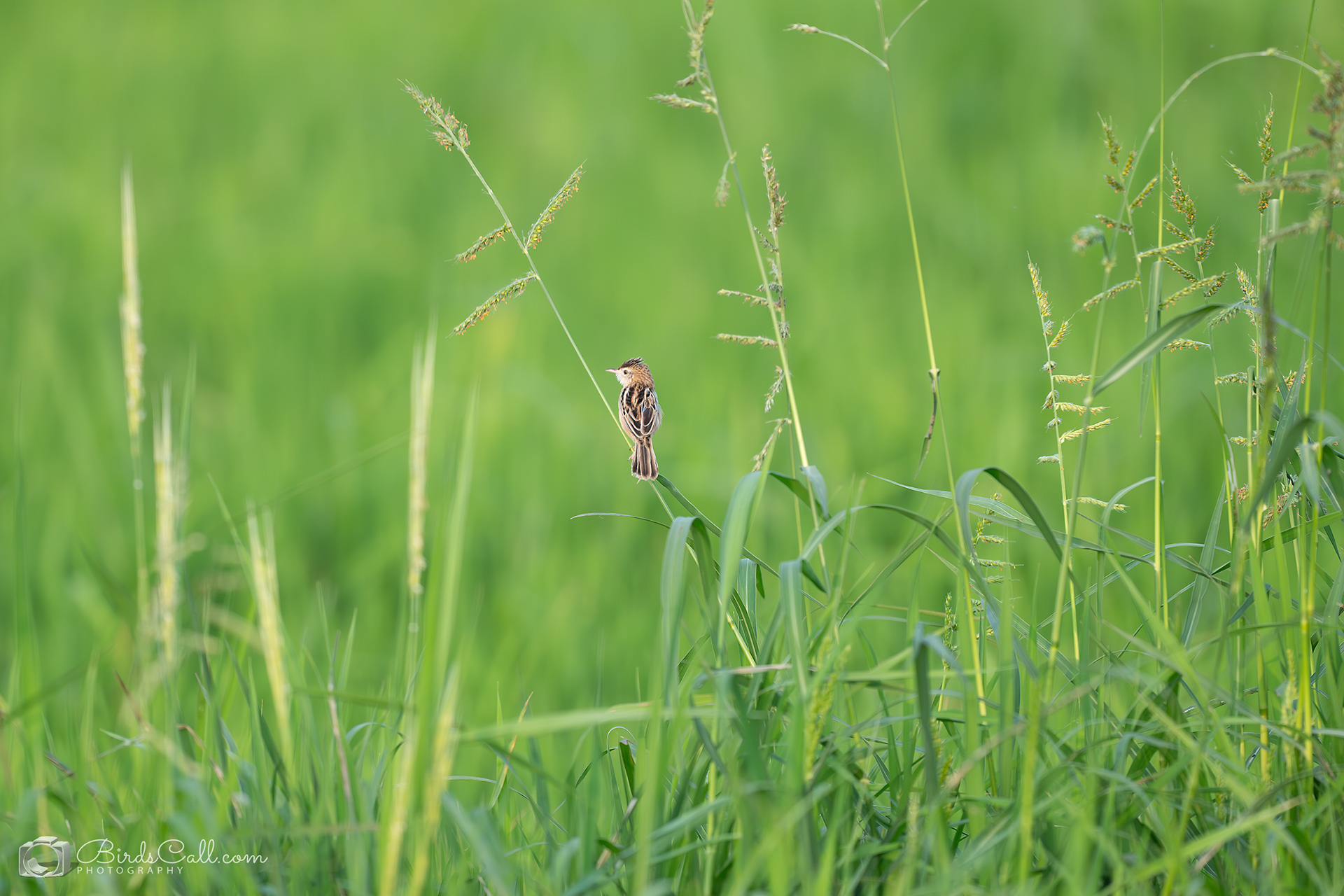
We drove to Anthikad, Thrissur, entering the vast expanse of the Kole wetlands, land lying below sea level and alive with movement. The White Stork never showed itself, but the wetlands were anything but quiet. Streaked Weavers were everywhere, busy and vocal. A Zitting Cisticola clung low to the grass. On one reed, a Clamorous Reed Warbler performed an animated display — dancing and calling as the reed bent beneath it, completely at home in this restless landscape.
Small pratincoles skimmed endlessly over the wetland, their flight a flicker of motion, while above them a Western Marsh Harrier quartered the sky patiently, turning the landscape into a quiet, unfolding drama.
As darkness fell on 2 January 2026, we began the long drive back to Coimbatore. Two days, forests and wetlands, owls and nightjars, a lifer that lasted only a heartbeat, and a rare migrant that never arrived.
Thattekad and the Kole wetlands gave us what birding so often does — not certainty, but moments. And the year began exactly where it should: on the road, in the field, paying attention.
See below some of the pictures from this trip...
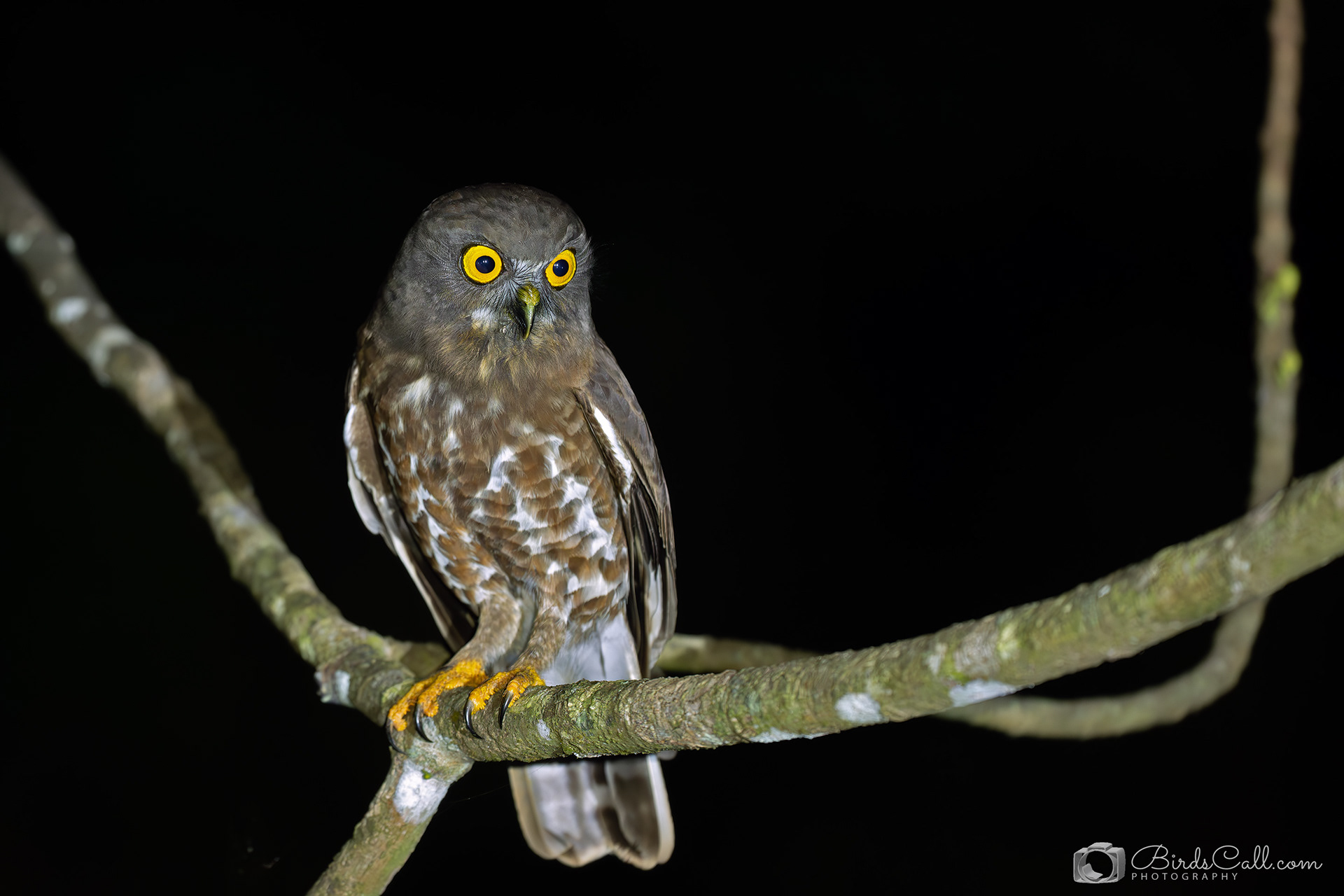
Brown Hawk Owl
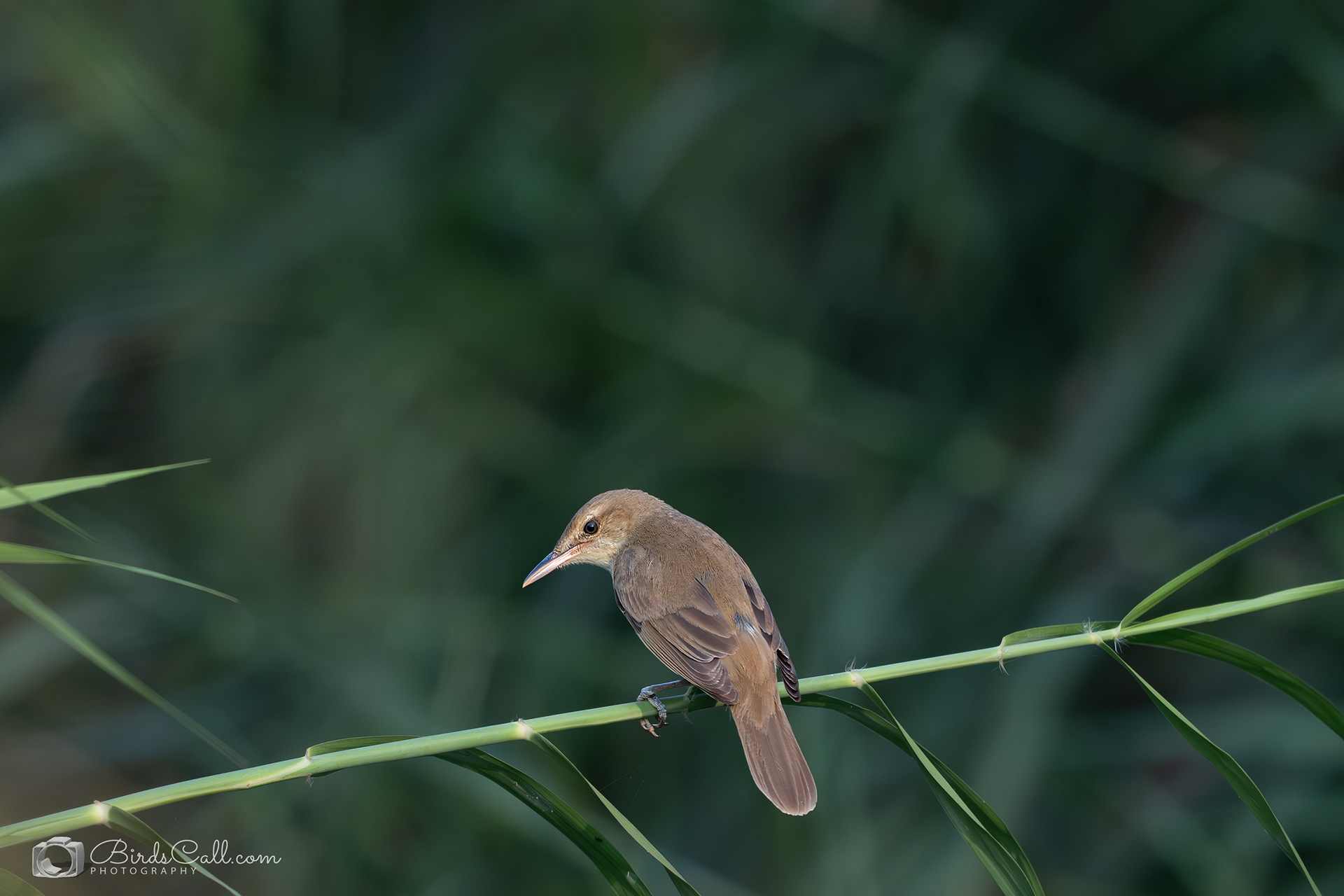
Clamorous Reed Warbler
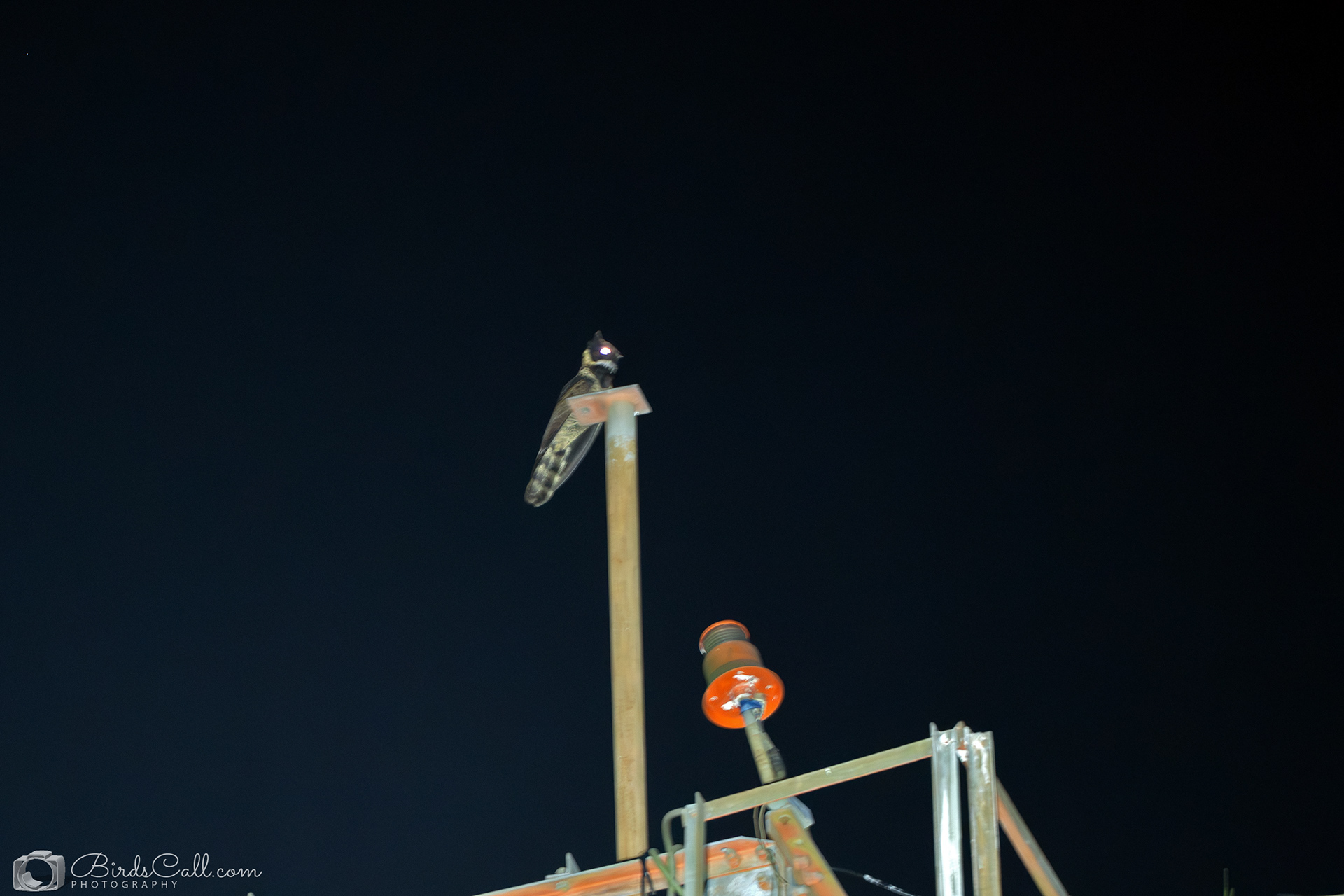
Great Eared Nightjar
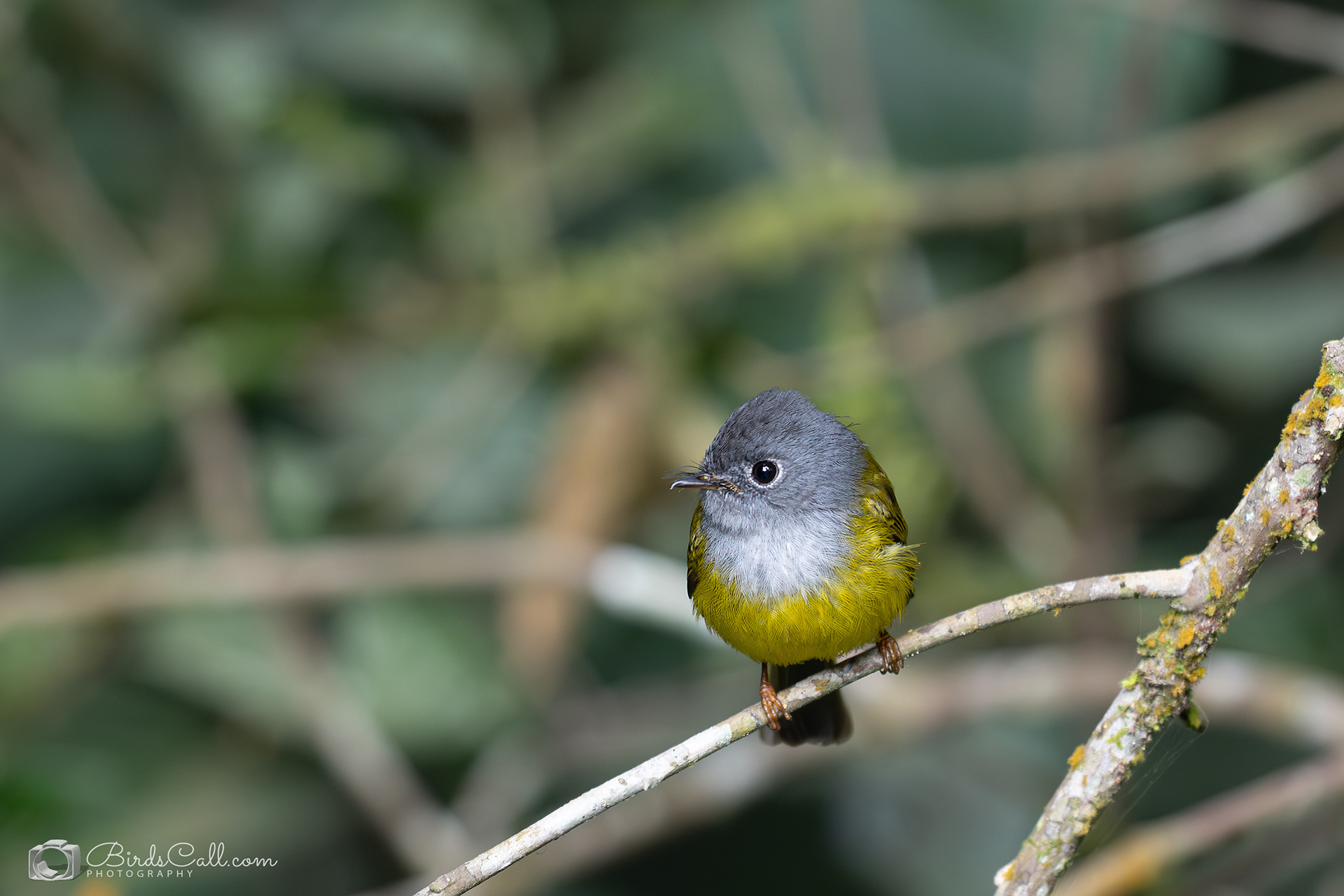
Great headed canary flycatcher - Munnar
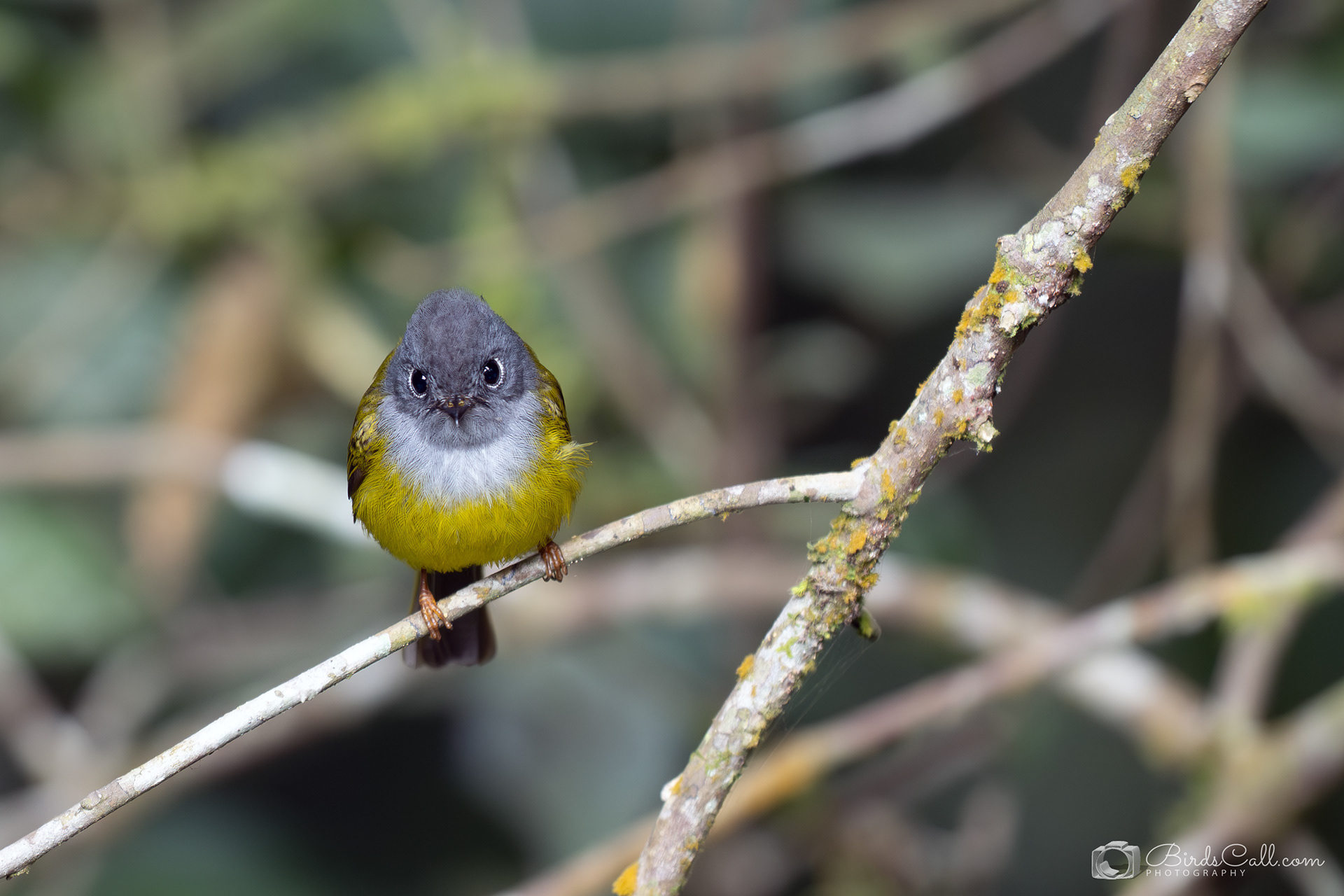
Great headed canary flycatcher - Munnar
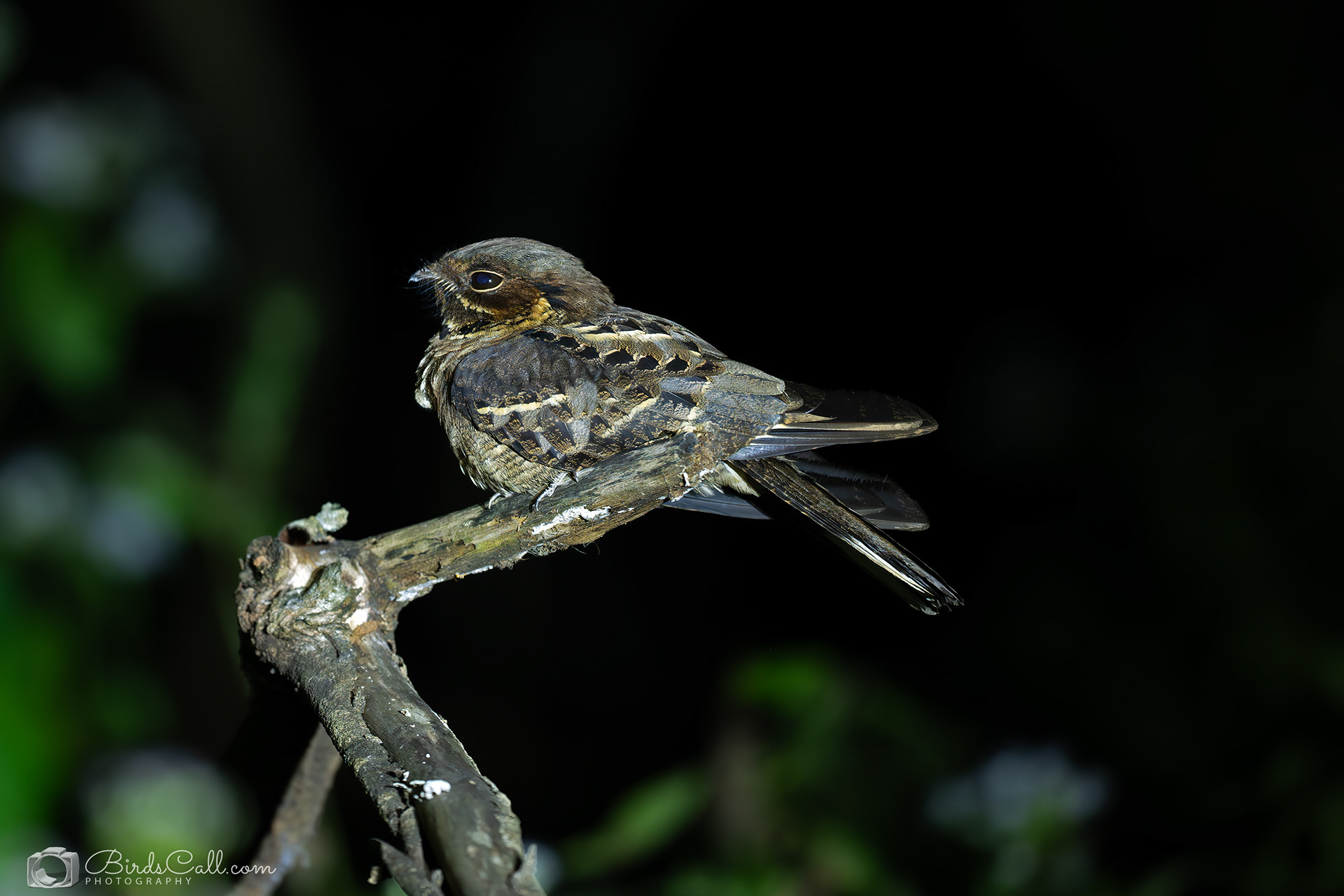
Jardon's Nightjar
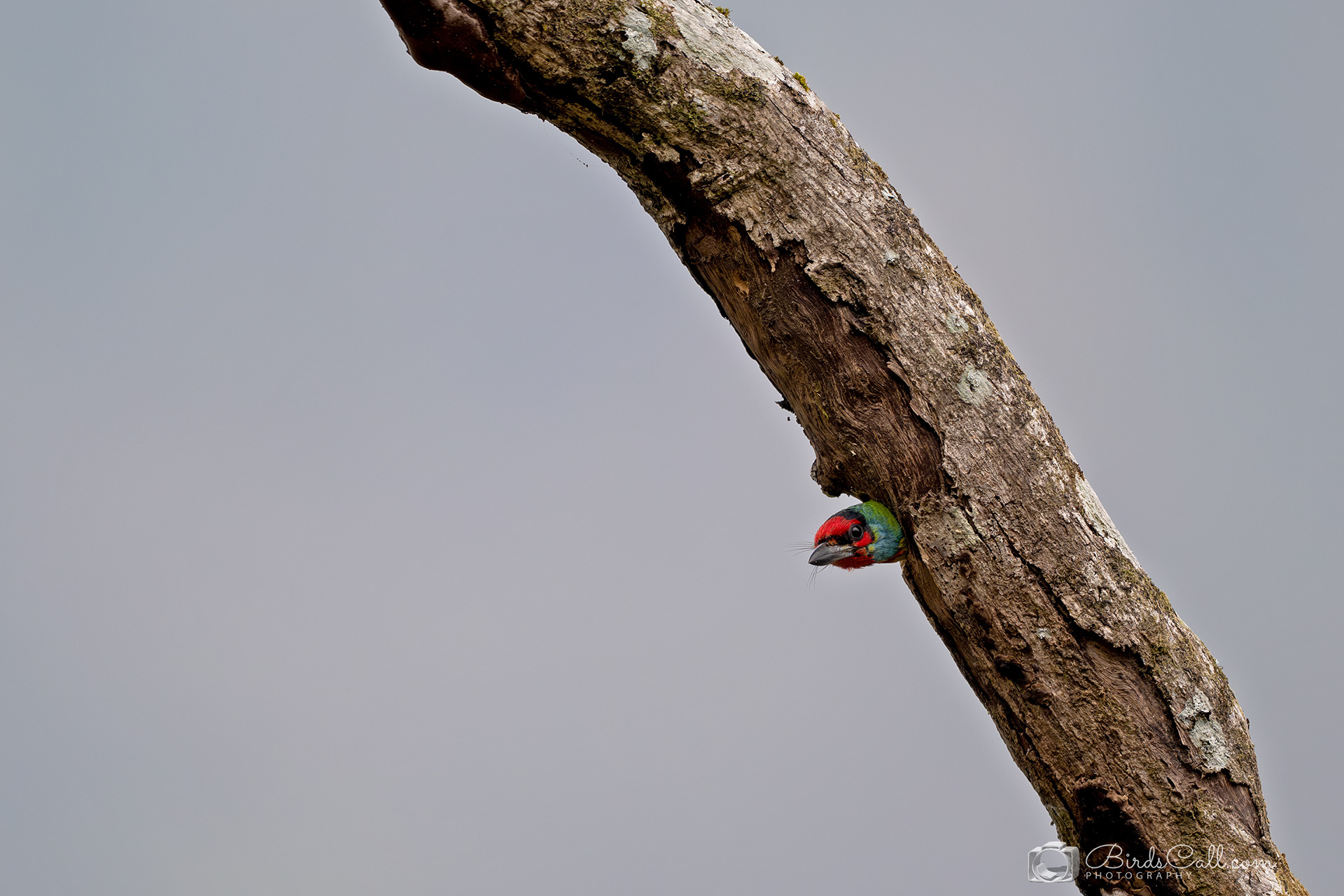
Malabar Barbet
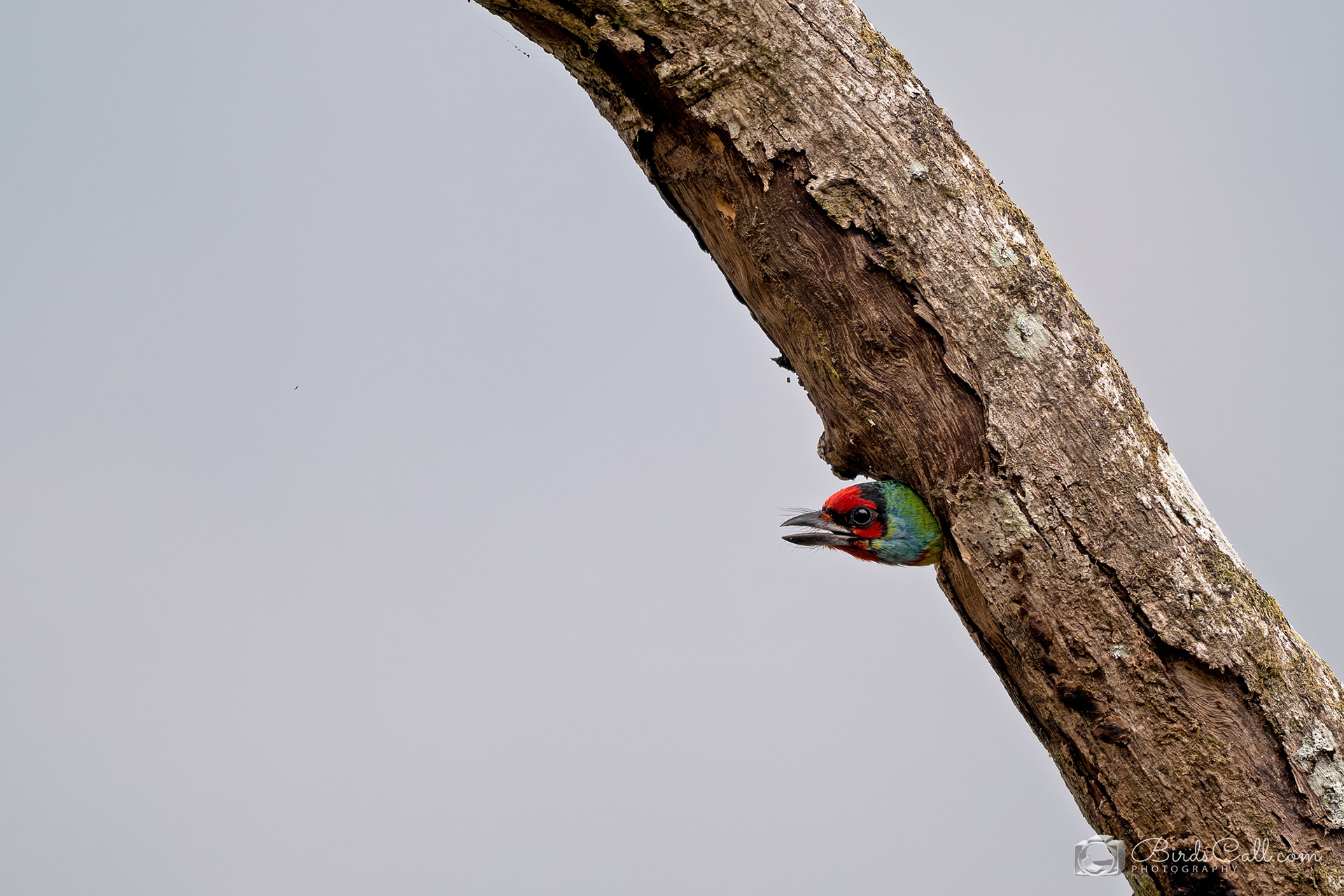
Malabar Barbet
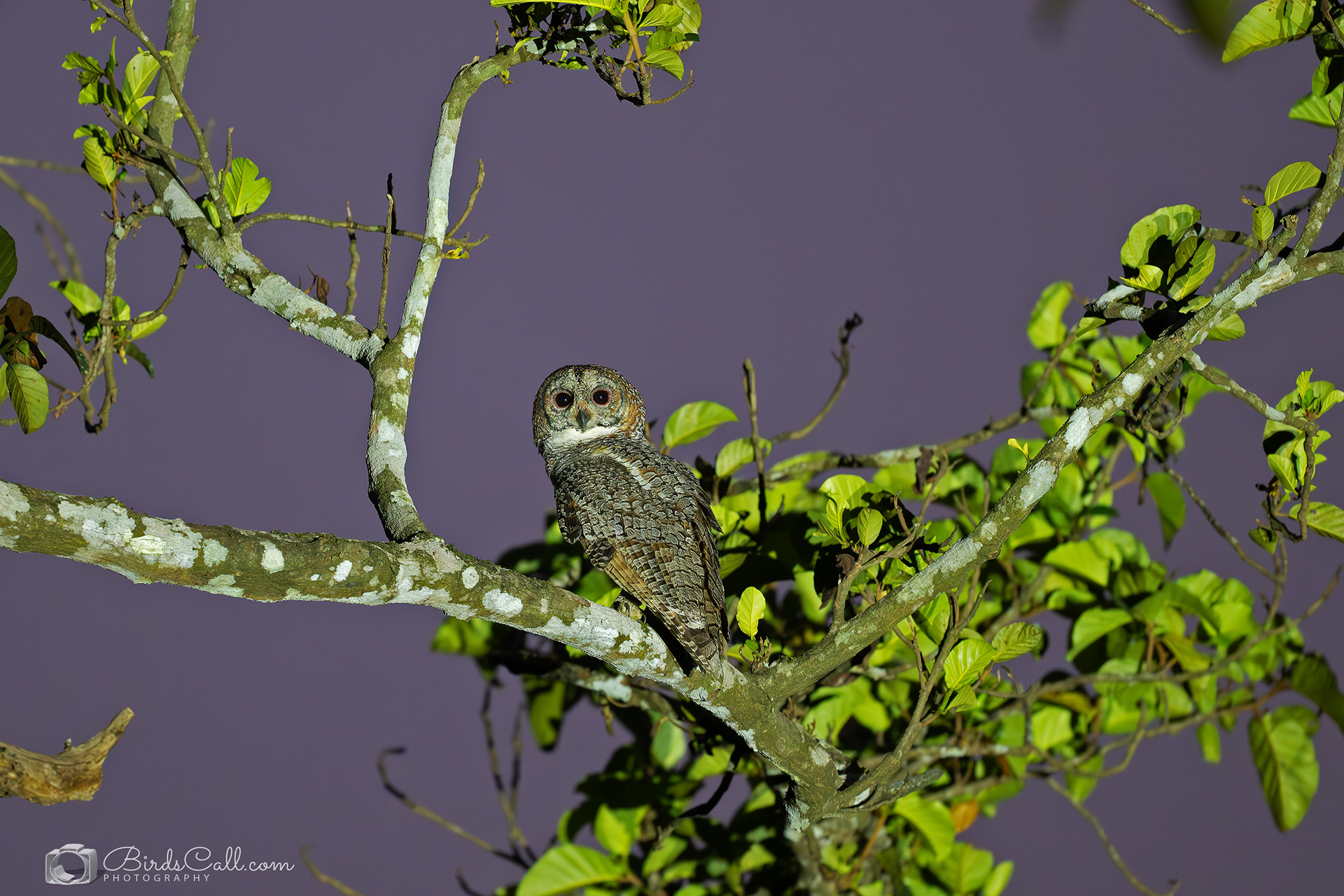
Mottled Wood owl
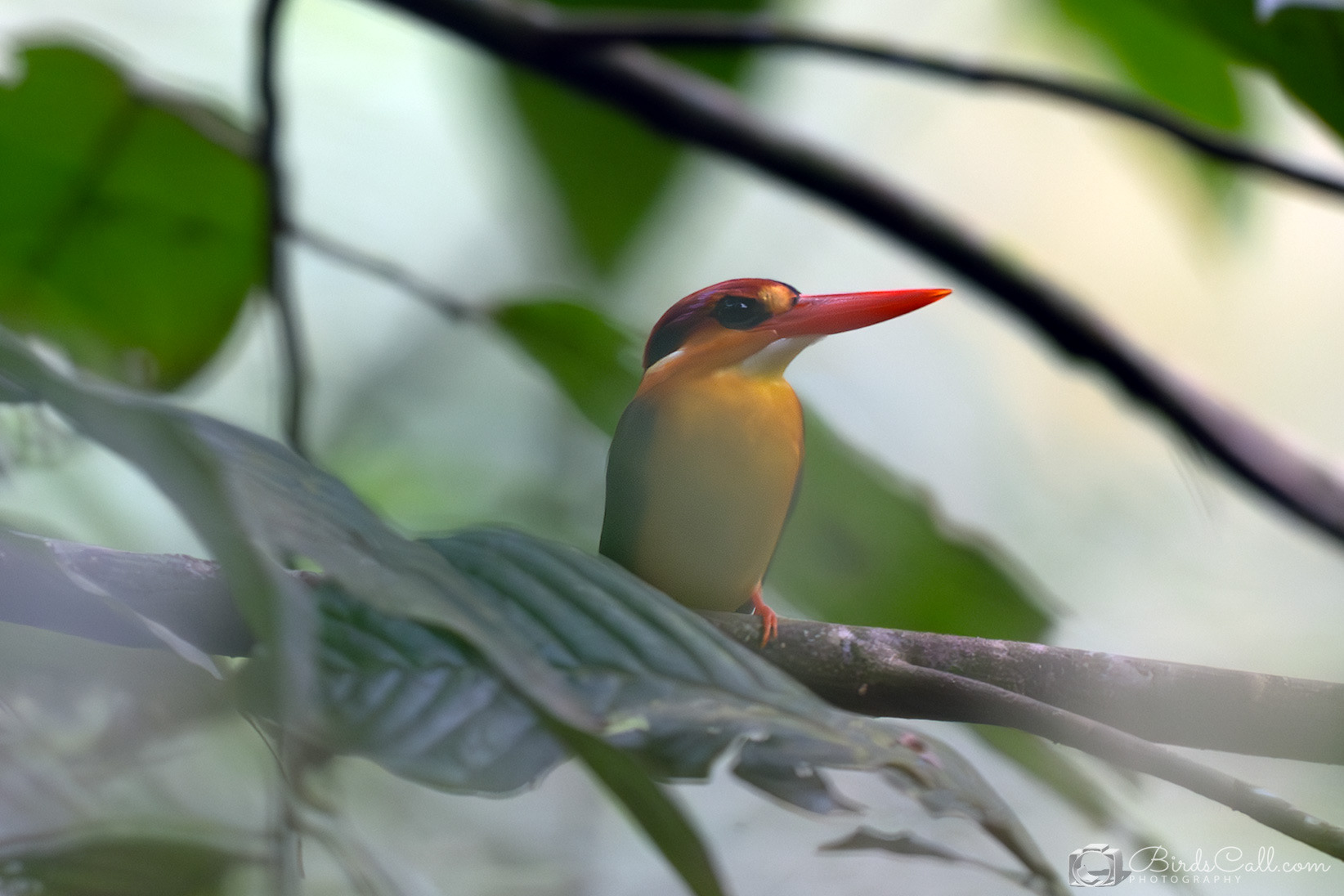
ODKF
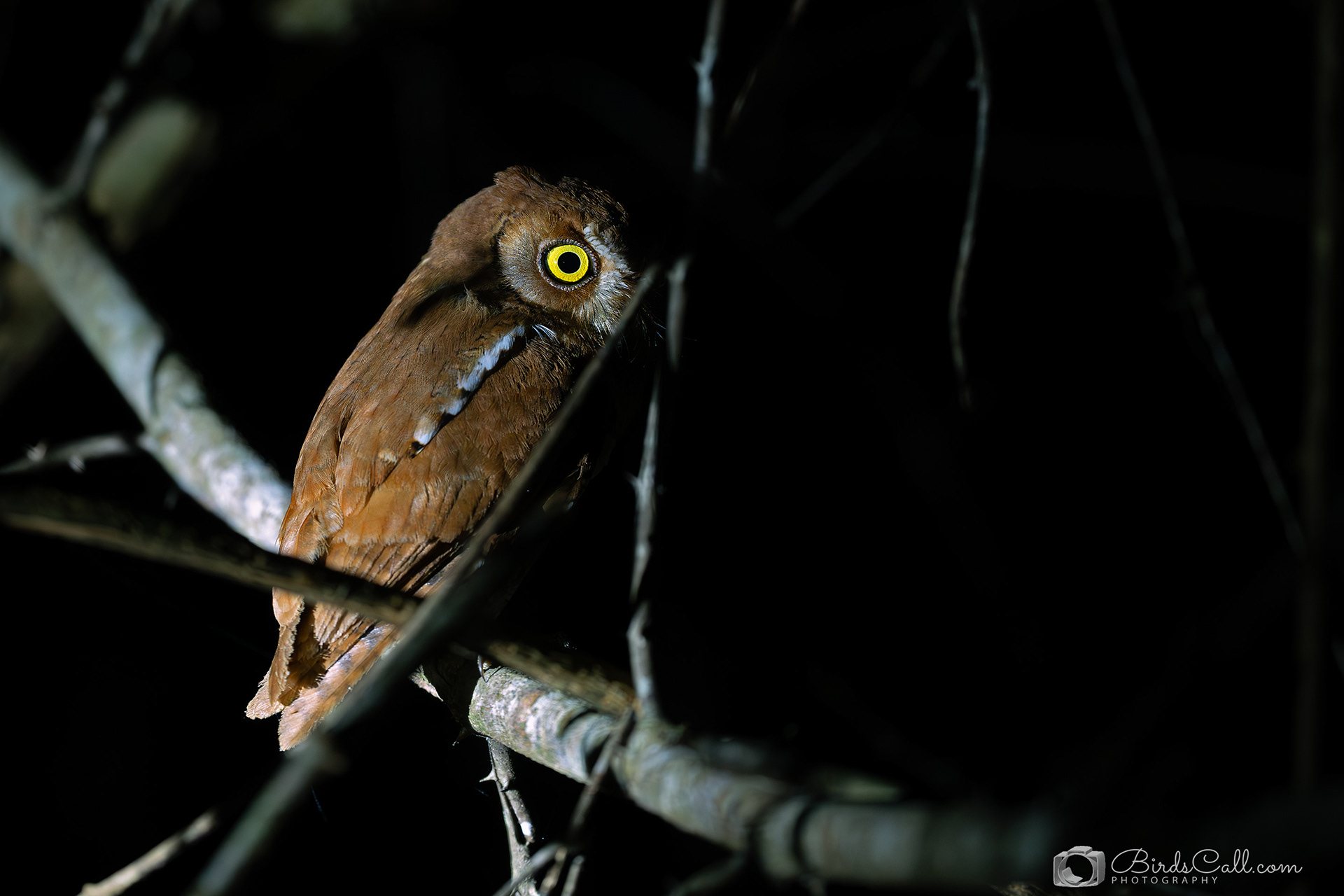
Oriental Scops Owl
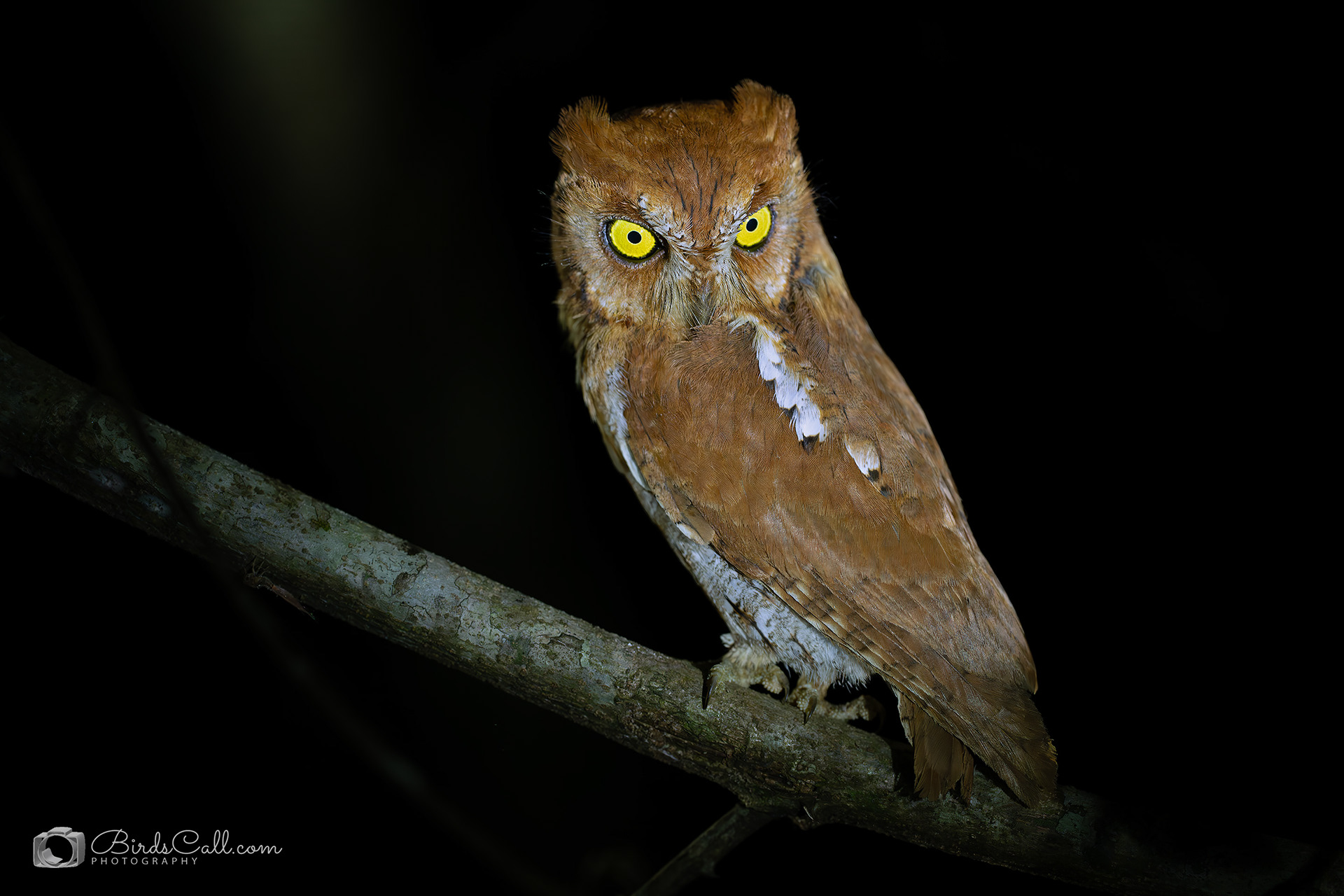
Oriental Scops Owl
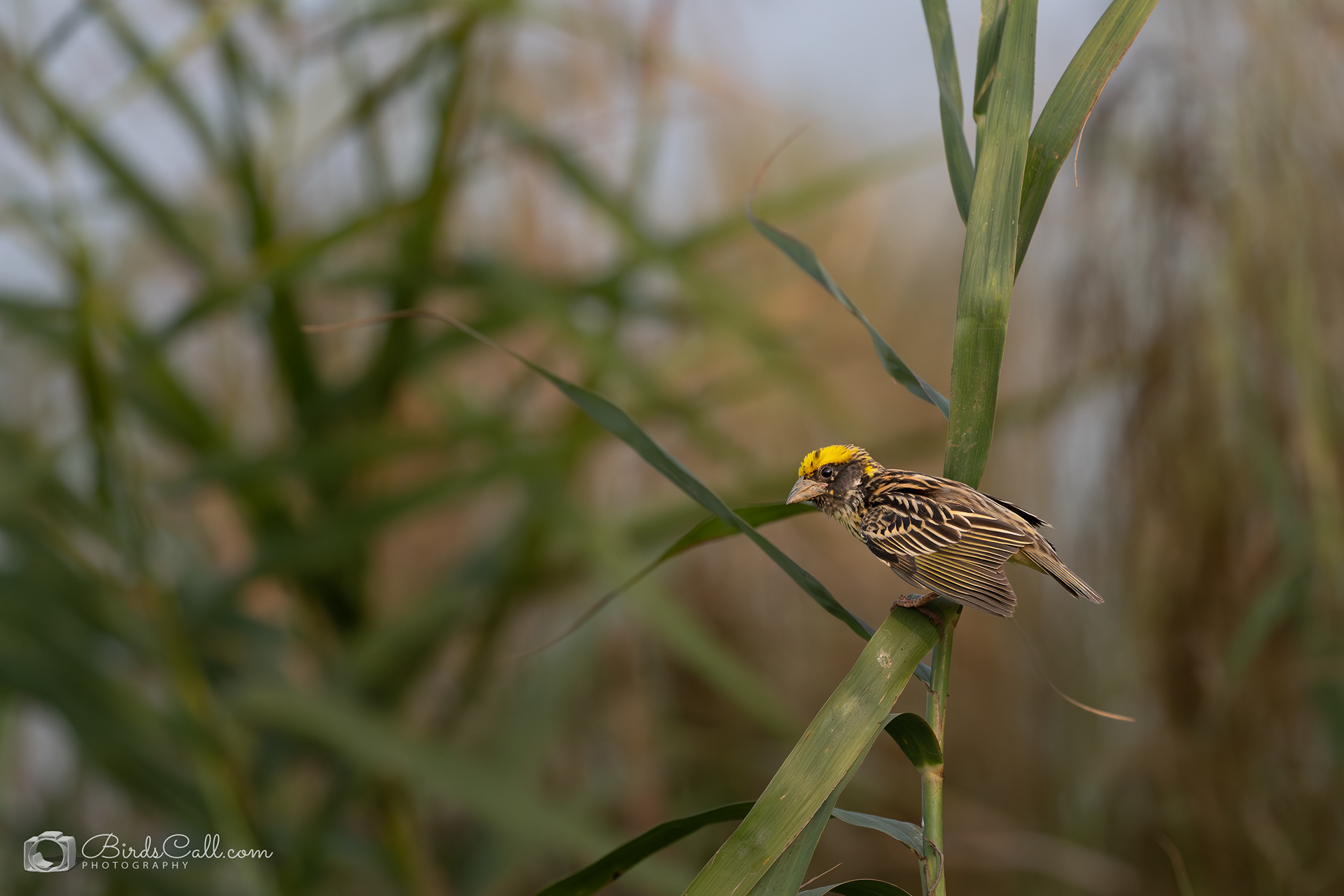
Streaked Weaver
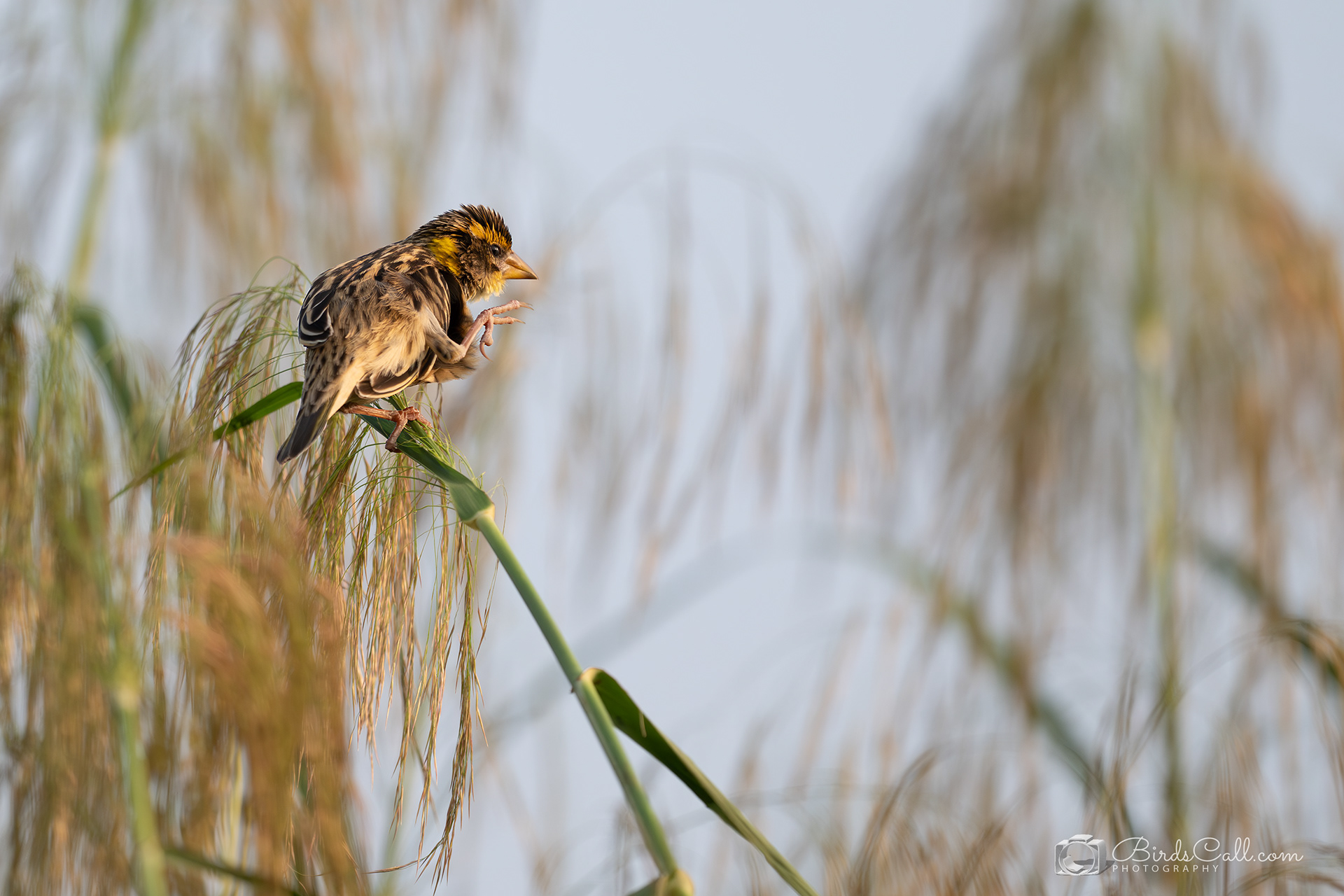
Streaked Weaver
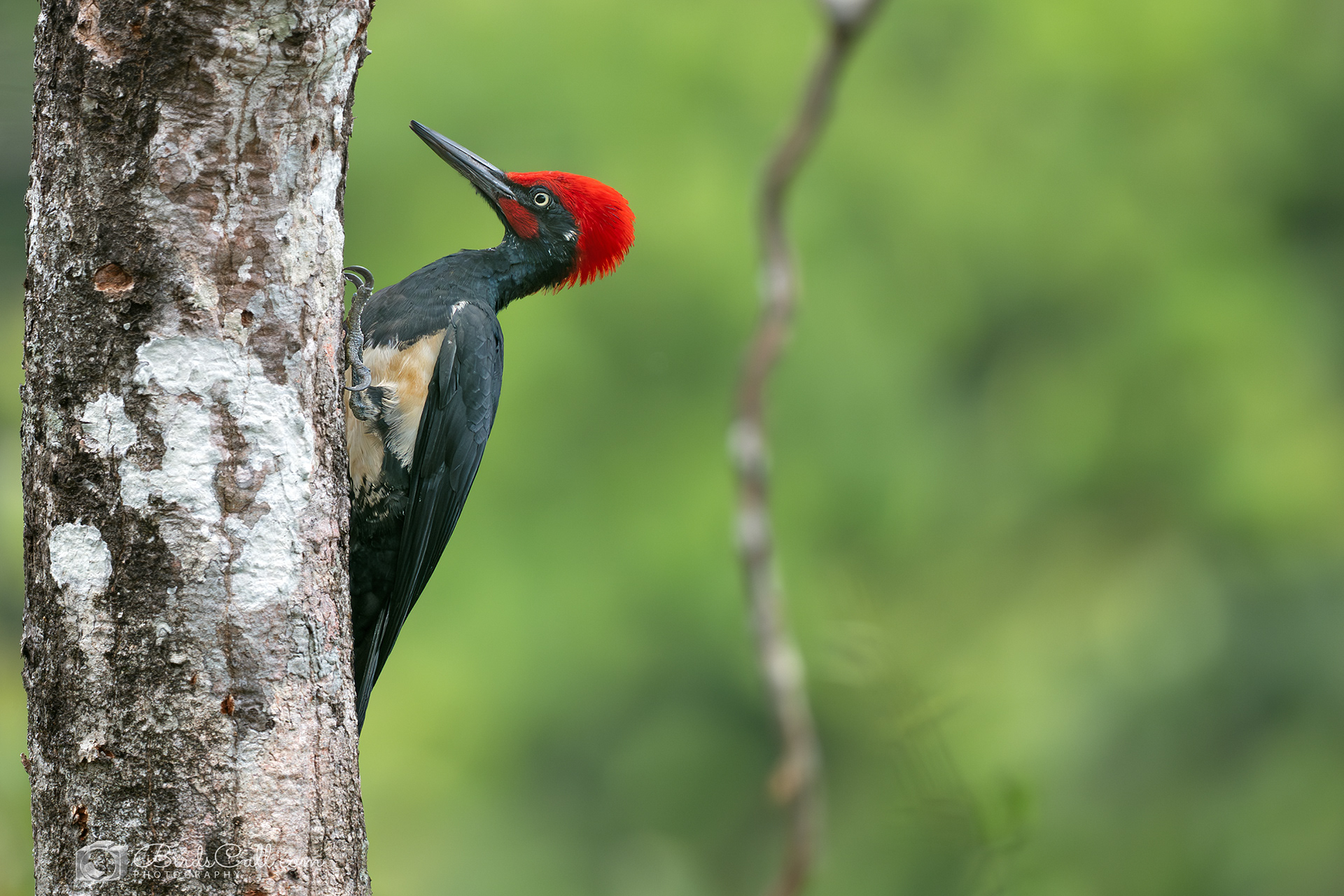
White Bellied Woodpecker